Brampton Cleaning Service Experts
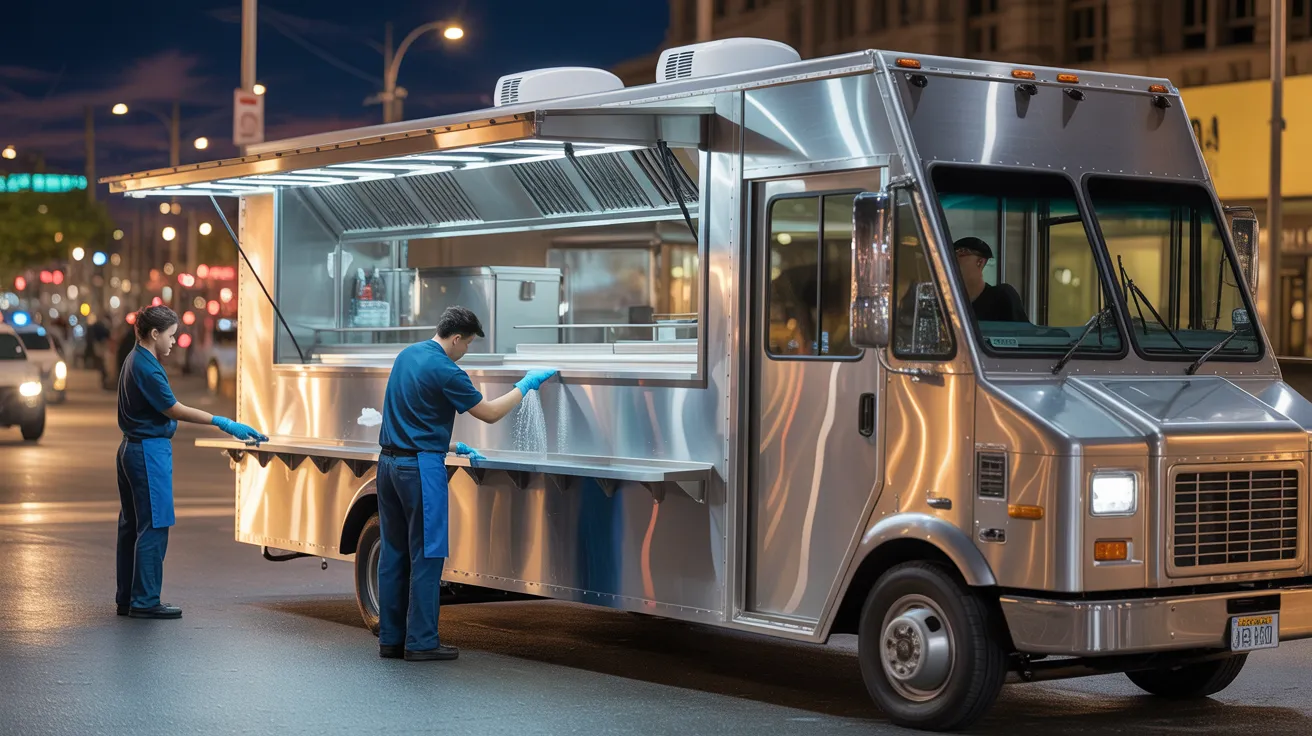
Commercial cleaning and food safety professionals in Brampton assist food establishments, commissaries, baking facilities, warehouses, and mobile food services maintaining standards. They sanitize high-contact points, food preparation surfaces, equipment, floors, drains, restrooms, and prep zones with approved chemicals, at correct dilution, and recording exposure duration. You require regular sanitation based on hazard level, volume, allergens, and inspections, along with documented proof backing Hazard Analysis Critical Control Points, audits, and public health compliance. The sections below outlines how effective cleaning systems should include.
Important Highlights
- Food safety cleaning professionals in Brampton support restaurants, grocery departments, commissaries, warehouses, bakeries, schools, mobile vendors, and allergen-sensitive operations.
- They clean frequently contacted areas, food-contact equipment, kitchens, floors, drains, restrooms, and storage areas using area-specific procedures to eliminate cross-contamination.
- Logging of conclusion through swabs, audits, and corrective-action records verifies certified contractors have validated approved sanitizer dilution, appropriateness, and exposure duration.
- Routine, recurring, and cyclical tasks allocated by section comprise maintenance timelines based on danger, production rate, format changes, spills, and requirements.
- Vendors ought to possess hazard analysis knowledge, sanitation knowledge, safety training training, insurance, endorsements, color-categorized equipment, and inspection-ready hygiene documentation.
Which Brampton Facilities Need Food Safety Cleaning?
Any Brampton facility that manages, stores, prepares, packages, or serves food needs food safety cleaning. You must apply it if your facility falls under health department oversight, food regulations, or HACCP requirements. That requirement covers restaurants, cafeterias, commissaries, grocery food departments, butcher shops, seafood counters, convenience stores, and institutional kitchens.
Proper hygiene protocols proves necessary in storage facilities, production centers, refrigerated warehouses, bakeries, school nutrition services, event spaces, and delivery hubs. Portable temporary ventures count too, like catering trucks, festival vendors, and pop-up food booths. Your location needs written cleaning standards when your employees prepare supplies, portion finished foods, reheat dishes, or organize allergen inventory. In Brampton, food safety is not discretionary; it constitutes lawful, operational, and customer protection standards.
What Services Do Brampton Cleaning Experts Provide?
Your operation needs cleaning professionals who sanitize all high-touch areas, cooking and food prep areas, floors, and restrooms to maintain food safety compliance and public health standards. These zones receive attention because they represent the most significant contamination risk, trip and slip dangers, and violations of hygiene standards.
If you comprehend their cleaning services, you'll be able to confirm your operation satisfies required operational and regulatory standards.
Disinfecting High-Touch Areas
determine how regularly each zone is sterilized
Maintaining a directional workflow, replacing cloths, and dividing cleaning supplies according to location ensures that plan stays quantifiable, documented, and audit-prepared at all times
Kitchen Areas, Floor Surfaces, and Bathroom Spaces
Professional cleaners in Brampton prioritize kitchens, floors, and restrooms given that each location involves distinct contamination control, falling hazards, and public health requirements. In industrial kitchens, you need degreasing on cook lines, equipment exteriors, drains, prep surfaces, and splash zones to reduce bacterial growth and pest activity.
Floor care that is recorded should equally be anticipated. Technicians scrub and extract buildup from grout, tile, and vinyl flooring, then apply correct drying techniques so you can limit falls and maintain code-compliant conditions. They also handle entry points where dampness and dirt enter the building.
Restroom sanitation involves sanitizing touchpoints, fixtures, partitions, dispensers, and waste containers, restocking supplies and controlling odours. They also maintain restaurant cleaning supply rooms where product storage, sink cleanliness, and drain systems impact daily sanitation standards and worker protection.
Why Food Safety Cleaning Matters in Brampton
In Brampton, you must maintain food-safe cleaning standards to satisfy health code requirements and achieve compliance. You also reduce cross-contamination by cleaning and sanitizing food-contact surfaces, equipment, and high-touch areas correctly. Most importantly, you safeguard community wellness by reducing the chance of food poisoning in your establishment.
Food Safety Regulations
Brampton food establishments must comply with mandatory safety protocols, so cleaning procedures is essential to satisfying health codes, protecting customers, and sidestepping penalties. You must maintain sanitized food contact points, recorded sanitation plans, appropriate product handling, and traceable training practices that meet municipal and provincial inspection expectations.
Excellent cleaning standards facilitates allergen control by reducing residue on common tools plus commonly contacted zones. If your cleaning standards deteriorate, you face violations, corrective orders, public perception damage, and service disruption risks during subsequent audits or enforcement reviews.
Cross-Contamination Prevention
Adhering to health code standards requires your expertise in stopping cross-contamination throughout daily food handling and cleaning. You need to separate raw ingredients from ready-to-eat foods, clean prep surfaces between tasks, and store cleaning supplies separately from food. Structured procedures reduce transfer risks and ensure consistent compliance during inspections.
Building allergen isolation prevents key allergens from reaching shared surfaces, containers, or equipment. Leverage separate cutting boards, colored implements, and strict utensil labeling so team members won't blend products in cooking or serving.Enforce handwashing after handling raw meat, seafood, eggs, or allergen-containing products. Refresh cleaning cloths frequently, and confirm sanitizer strength with test strips. When your team follows these practices each shift, you create a cleaner, safer operation that meets Brampton's food safety expectations consistently.
Community Health Protection
If food safety cleaning deteriorates, you don't merely risk a failed inspection—you boost the probability of foodborne illness affecting customers, staff, and the broader Brampton area. You also undermine your responsibility in safeguarding community wellness, especially in busy food facilities where pathogens travel quickly through surfaces, equipment, and touchpoints.
You depend on cleaning procedures that remove soils, properly disinfect, and verify results. This involves maintaining exposure times, utilizing authorized sanitizers, recording schedules, and coaching staff to meet health-unit expectations. These initiatives promote pathogen control by suppressing pathogens before affecting food surfaces or hands. In Brampton, robust sanitation protects at-risk groups, minimizes disease spread, and proves your diligence. When you adhere to proper protocols, you exceed requirements—you substantially reduce risk and promote secure food service across the region.
How Does Cleaning Support Food Safety Compliance?
Maintaining rigorous cleaning routines supports food safety compliance by reducing contamination risks, preventing pathogen multiplication, and keeping your facility aligned with sanitation requirements under HACCP-based programs and public health regulations. You confirm that product-contact areas are visibly clean and microbiologically controlled, supporting documented preventive controls and inspection readiness.
Systematic cleaning also strengthens allergen mitigation by eliminating residues that can lead to undeclared allergen exposure. When you integrate validated sanitation procedures with safety training, your staff can adhere to consistent approaches, employ approved chemicals correctly, complete records properly, and address discrepancies prior to they escalate. Regular cleaning enables traceability, validates remediation efforts, and demonstrates responsibility throughout audits. Moreover, it supports you safeguard product quality, copyright operational adherence, and reduce the risk of punitive measures, market recalls, formal complaints, and unnecessary health dangers.
Establishing When to Arrange Commercial Cleaning
You'll get the best results from cleaning routines that account for risk factors, production rates, and compliance obligations rather than a rigid calendar system alone.
You should also plan periodic tasks separately
How Do You Choose Brampton Cleaning Experts?
Screen providers initially by their food hygiene standards—not budget alone. You need to verify that every company meets CFIA, public health, and HACCP standards for your operation. Demand proof of insurance, WHMIS compliance, training records, and management systems. Evaluate technician understanding of contamination dangers, chemical safety, and documented sanitation practices.
Additionally, you need to evaluate operational reliability and accountability. Obtain references from food facilities in Brampton, then review response times, corrective-action procedures, and communication practices. Verify the company conducts supplier reviews and can deliver inspection-ready documentation when inspectors or external parties need proof. Verify equipment upkeep, color-coded equipment are applied correctly, and site-specific hazards are identified. A capable service protects compliance, product integrity, and your brand reputation.
Which components are part of a hygiene cleaning program?
Create a documented strategy that clearly outlines every sanitation duty, guideline, and expectation before production starts. You should list cleaning frequencies, approved chemicals, dilution rates, contact times, tools, and verification methods for each area, section, and machine. Don't forget to add pre-operational inspections, corrective actions, and employee training requirements.
Your framework should also include cross-contamination prevention, waste disposal, pest management measures, and scheduled documentation for restrooms, drains, floors, and food-contact areas. Clarify how you'll distinguish raw from ready-to-eat operations, help with ingredient tracking, and copyright accurate allergen labeling through validated cleaning between product changes. You should define accountability, maintain signed records, and review results against regulatory standards, HACCP controls, and customer requirements. When gaps appear, adjust procedures immediately and re-educate staff.
Frequently Posed Questions about the Plan
Are sanitation providers offered for overnight shifts in Brampton properties?
Yes, you can arrange sanitation coverage to manage overnight shifts in Brampton facilities. helpful information You'll coordinate nighttime cleaning around production schedules, security measures, and staffing requirements. Services generally map overnight logistics to minimize interruption, maintain standards, and record finished work. You should confirm arrival timeframes, supervision, lockout procedures, and disposal methods before beginning service. If you operate regulated spaces, you'll also need documentation that support inspections and internal quality assurance.
Can sanitation professionals handle hazardous incidents?
Yes, you can locate Brampton cleaning professionals providing hazard containment options. They handle hazardous incidents, evaluate risks, contain affected zones, and begin swift decontamination to reduce risk and avoid operational impact. You should verify response rates, certifications, safety protocols, and disposal methods. If your facility must adhere to regulations, pick a provider that tracks incidents, follows procedures, and supports verification.
Can green disinfectants be utilized safely on food-contact surfaces?
Yes, eco-friendly disinfectants can be appropriate for surfaces contacting food if you pick items marked food-safe and complying with regulations. You should validate exposure duration, mixing proportions, and rinse protocols before use. Many botanical formulations minimize toxic chemical contact, but you should gather evidence of effectiveness against harmful bacteria. To maintain residue free surfaces, you should adhere to precise manufacturer instructions and validate the sanitizer complies with applicable food industry sanitation standards.
Can cleaning plans flex with production fluctuations?
Certainly, sanitation programs respond to production fluctuations well. Modify intervals, staff levels, cleaning agents, and validation steps to align with production rhythms while maintaining compliance standards. Limit production downtime through scheduling cleaning alongside equipment transitions, maximum output, and operational patterns. Concurrently update written procedures, training, and environmental testing to account transient threats, additional allergens, or higher contamination levels. Scheduled reviews maintain the schedule effective.
Will professional cleaning services teach employees on sanitation best practices?
Indeed, professional cleaners often offer employee coaching on proper hygiene. Your team receives instruction on proper chemical use, contact times, preventing cross-contamination, equipment breakdown, and documentation. They typically follow instruction with HACCP, GMP, and CFIA or regional health standards requirements. Many also execute sanitation audits to confirm standards, reveal issues, and strengthen improvement measures. This supports you in maintain consistent procedures, achieve compliance, and reduce food safety risks each day.
Summary
Through engaging Brampton food safety and commercial cleaning experts, you accomplish much beyond organizing—you ensure your facility for audits and your standards meet requirements. From kitchen spaces to processing areas, all clean areas and organized zones reduce contamination risks and prevent significant costs. Through scheduling maintenance at proper intervals and sticking to a solid cleaning plan, you safeguard employees, clients, and your standing. In a tightly controlled regulatory landscape, clean conditions must be a priority—they are fundamental to success.